AIR SYSTEMS

Precision Air-Domain Strike Solutions

Helicopter-launched precision rockets, loitering munitions, universal launch systems and layered counter-UAS — extending NIBE's air-domain reach for the Indian Air Force.

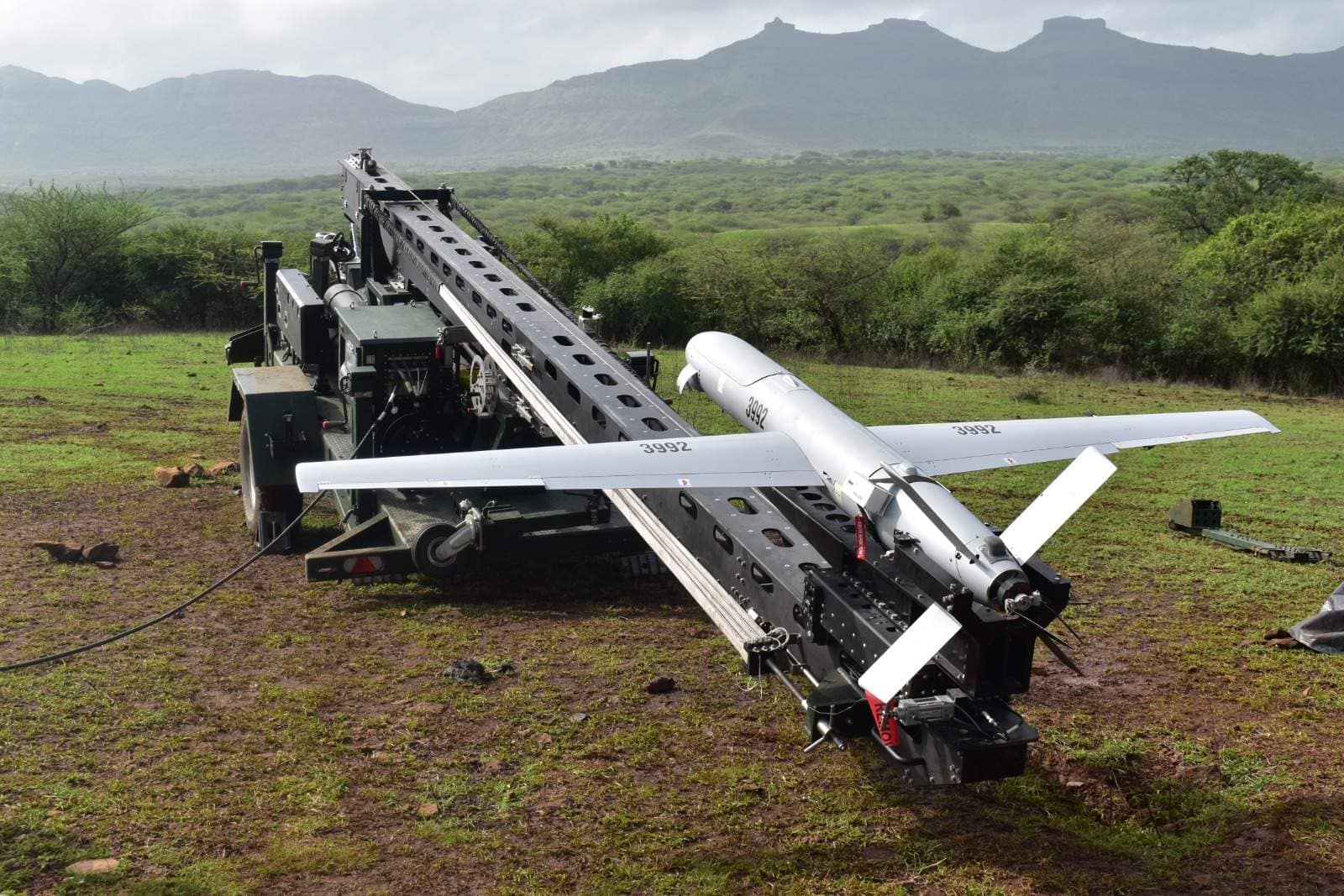
SkyStriker Loitering Munition
AIR SYSTEM

VayuAstra Series —
100 km / 1000 km / 2000 km variant Loitering Munition

Now extending to NLOS — electro-optical guided tactical loitering munition

✦ Precision engagement against high-value targets with long-range strike capability, man-in-the-loop control and terminal accuracy.
✦ In service today with the Indian Army — available with integrated 5 kg and 10 kg warhead options.
✦ Strike range of up to approximately 100 km, with high-speed terminal dive capability up to 250 km/h.
✦ Man-in-the-loop targeting with abort and re-attack capability for maximum mission flexibility.
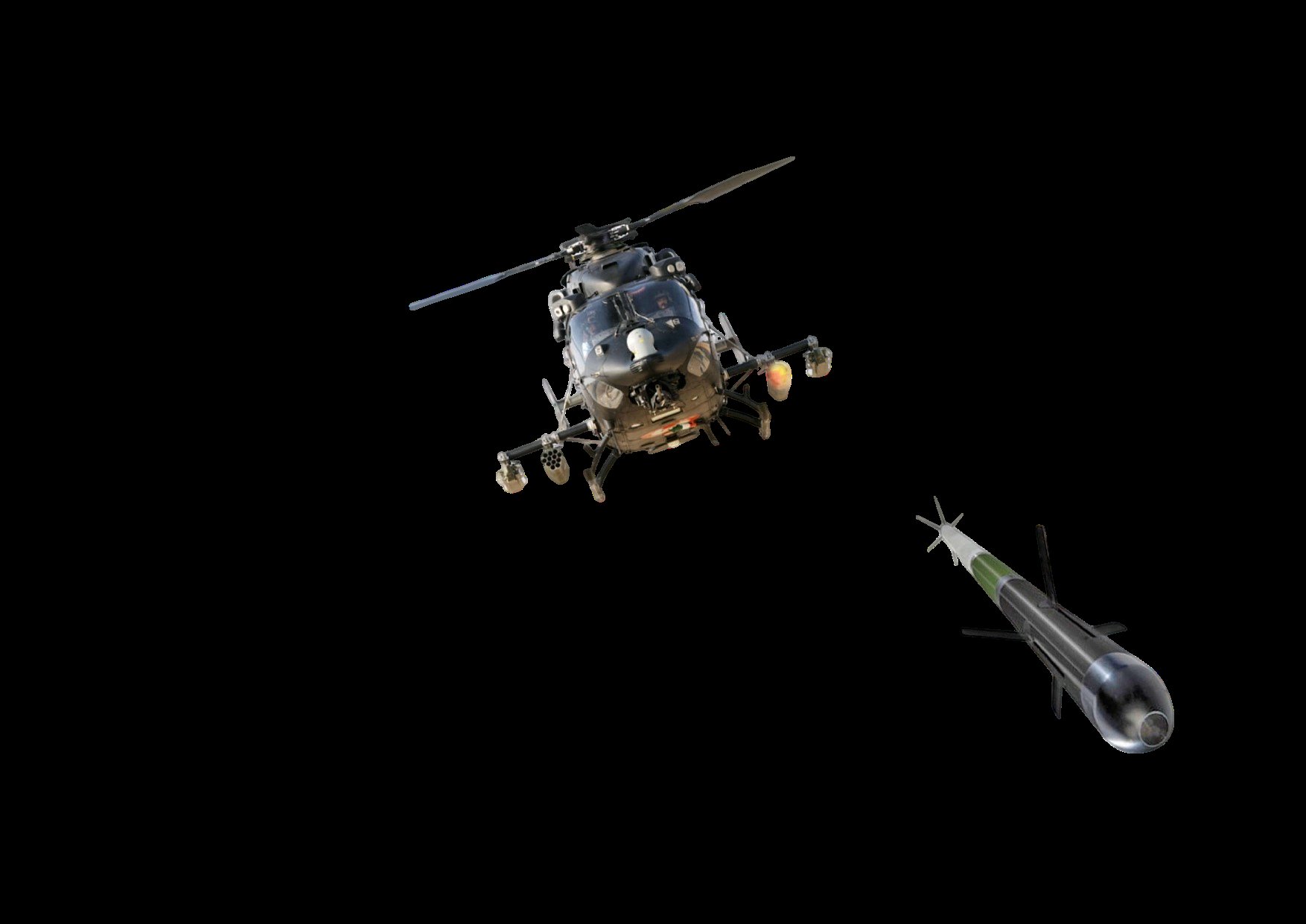
GATR 70mm Laser-Guided Rocket System
AIR SYSTEM

GATR — 70mm Laser-Guided Rocket

✦ Upgrades in-service 70mm rocket pods into a precision, laser-guided munition, qualified for LCH, Mi-17, Mi-35/25 and ALH helicopter fleets.
✦ Semi-Active Laser (SAL) seeker with LOBL & LOAL engagement capability and all-party body lasing support using UAVs, ground troops or other helicopters.
✦ Blast-fragmentation and penetration warhead — 6 kg warhead with 600 g explosive content, programmable fuse delay (0–100 msec) and an 8 m lethal radius.
✦ Integrates with Smart Rocket Launcher systems without requiring aircraft avionics modifications.

Platform Integration

Performance Specifications

< 1 m CEP90 Hit Accuracy
10 km Maximum Operational Range
100 km/h Moving Target Engagement
200 mm RC Concrete Penetration

GATR Advantages

C-UAS Counter-Drone Technology
AIR SYSTEM

C-UAS

Layered Hard-Kill, Soft-Kill & Directed-Energy Defence — a multi-sensor, multi-effector shield built to counter drones, loitering munitions and swarm attacks around airfields, radar installations and forward operating bases.

  • Detects and engages drones, loitering munitions and swarm threats within seconds, at ranges up to 15 km.
  • 360° DAiR radar, wideband SIGINT (400 MHz–6 GHz) and EO/IR sensors fused into a single AI-driven threat picture.
  • Soft-kill RF jamming and command-link takeover to safely redirect or land hostile UAS without kinetic engagement.
  • Layered hard-kill effectors for close to extended-range intercepts.
  • Fixed, transportable and vehicle-mounted configurations.

Detection & Sensor Fusion

Soft-Kill Capabilities

Hard-Kill Capabilities

Directed Energy

A high-energy laser effector is under development as a fourth, ammunition-free hard-kill layer designed for sustained and low-cost-per-shot defeat of drone and swarm threats.

Engagement Sequence

Deployment Configuration

PULS Universal Launcher for Air Force Strike Munitions
AIR SYSTEM

SuryaAstra — Universal Launcher for Air Force Strike Munitions

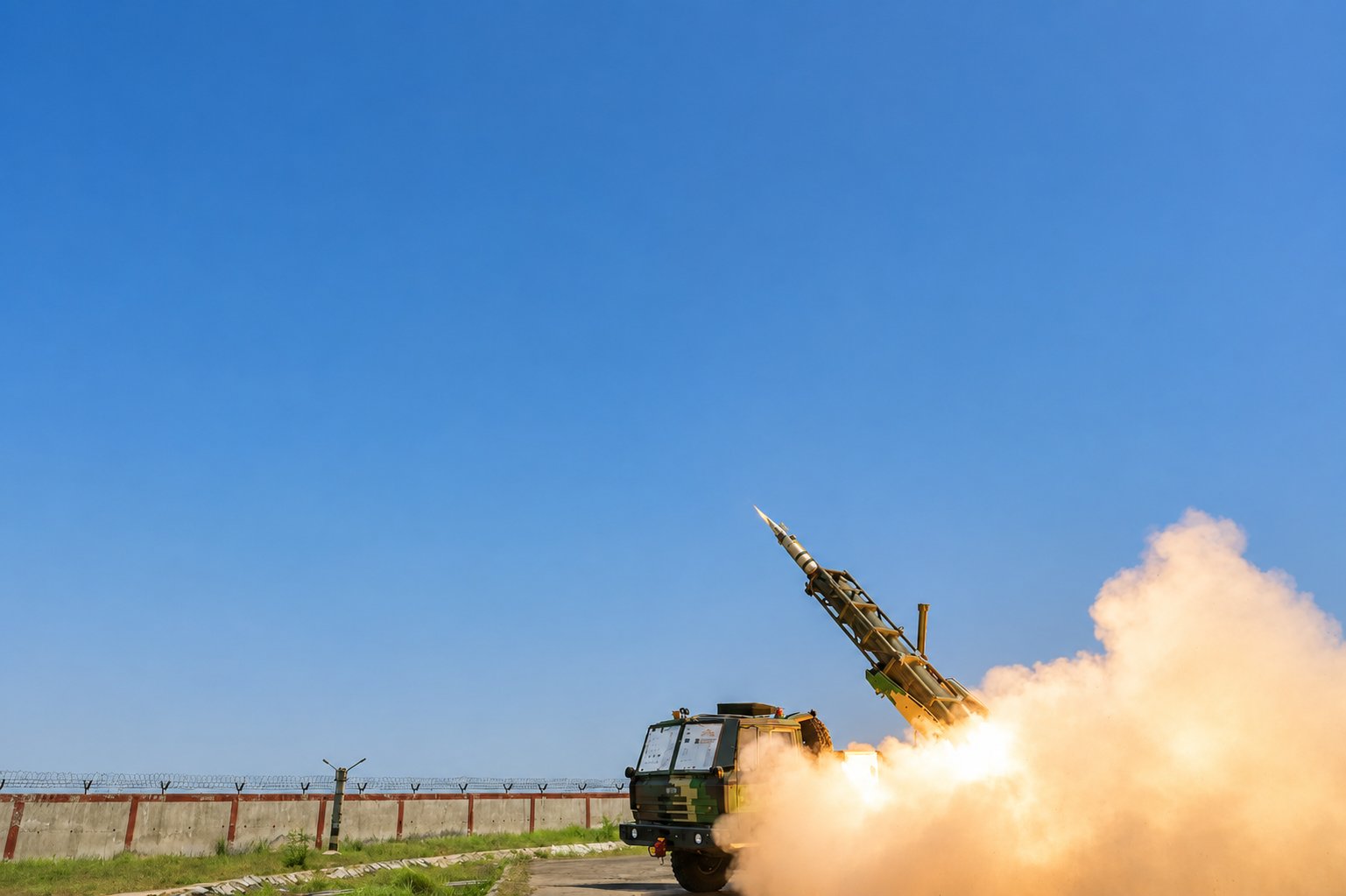
SuryaAstra is a modular, containerised launcher designed to deploy multiple munition families from a single road-mobile platform. The system extends its air-domain strike role by enabling the launch of VayuAstra loitering munitions alongside rockets and long-range missiles.

Long range missiles provide strike capability against targets up to 300 km with a Circular Error Probable (CEP) of approximately 10 metres. The system is in service with the Indian Army, with field evaluation trials conducted at the Chandipur range in May 2026.

Multi-Munition, Multi-Domain Capability

Strike Capability

300 km Maximum Range
10 m CEP Accuracy
Multi Munition Compatibility
Road Mobile Launcher Platform

Why It Matters for VayuAstra

Launching VayuAstra from a universal rapid-reload platform provides the Air Force with persistent loitering-strike capability alongside traditional stand-off rocket systems. A single C4I-networked launcher, operated by one crew, can deliver multiple strike effects based on mission requirements.

Rampage Supersonic Air-Launched Stand-Off Missile
AIR SYSTEM

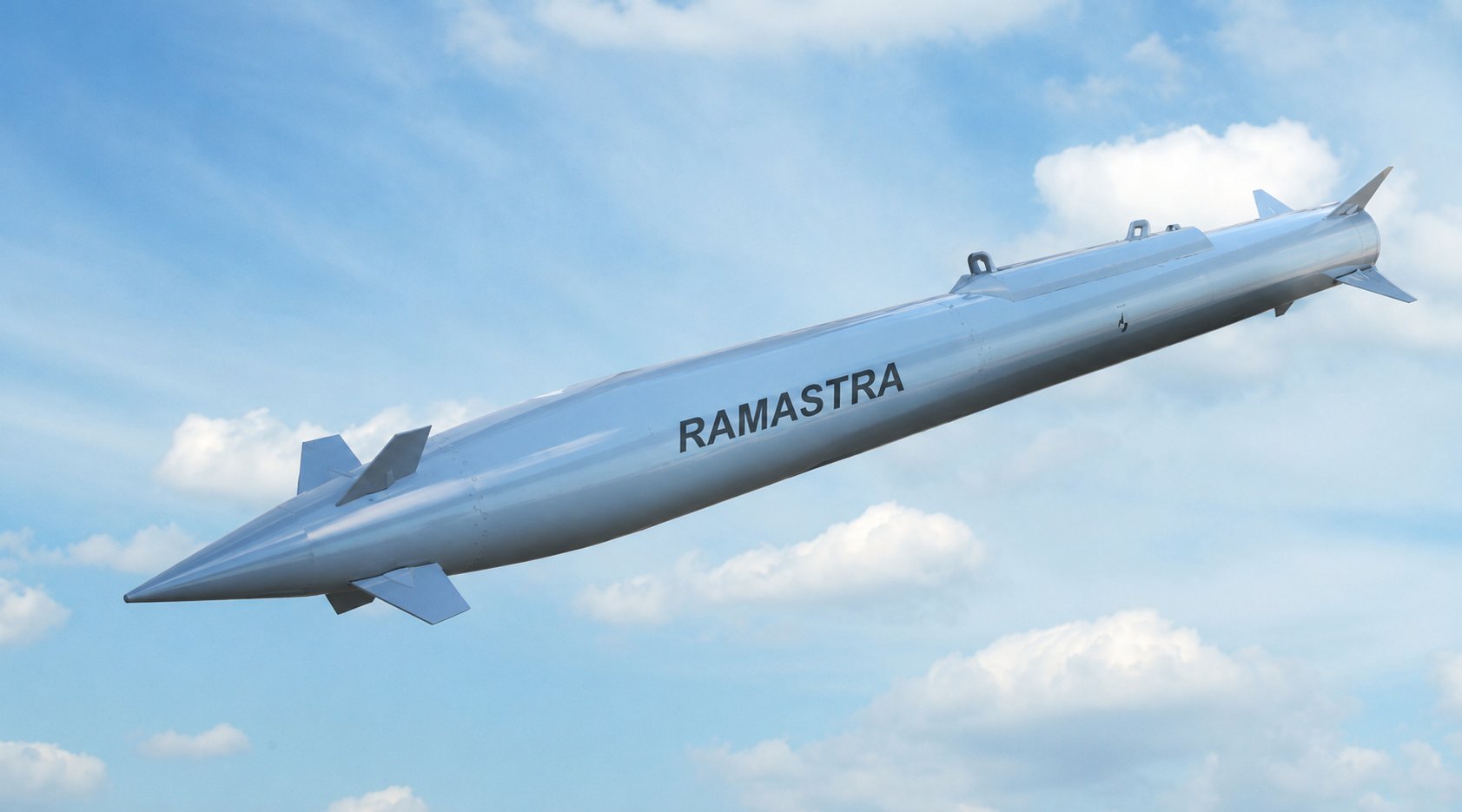
SuryaAstra and RamAstra Share a Common Long-Range Rocket Core

SuryaAstra and RamAstra are based on a common long-range rocket architecture, enabling shared technologies, modular deployment and simplified logistics across land, air and maritime domains.

Multi-Domain Rocket Family

300 km LAND — SuryaAstra
Road-mobile universal launcher
250 km AIR — RamAstra
Supersonic air-launched stand-off weapon
700 km Extended-range RamAstra
Future indigenous capability

Common Technology Advantages

Make-in-India Roadmap

Domestic manufacturing of the shared long-range rocket family, including SuryaAstra and RamAstra variants, is planned in India. The initiative builds on NIBE's existing expertise in energetics and precision-munition technologies.

In parallel, NIBE is working towards Indian manufacturing of the extended-range 700 km-class RamAstra variant, expanding indigenous stand-off strike capability for the Indian Air Force.

SPACE SYSTEM

Satellite Based Intelligence

Optical • SAR • RF / SIGINT Intelligence
Satellite Based Intelligence

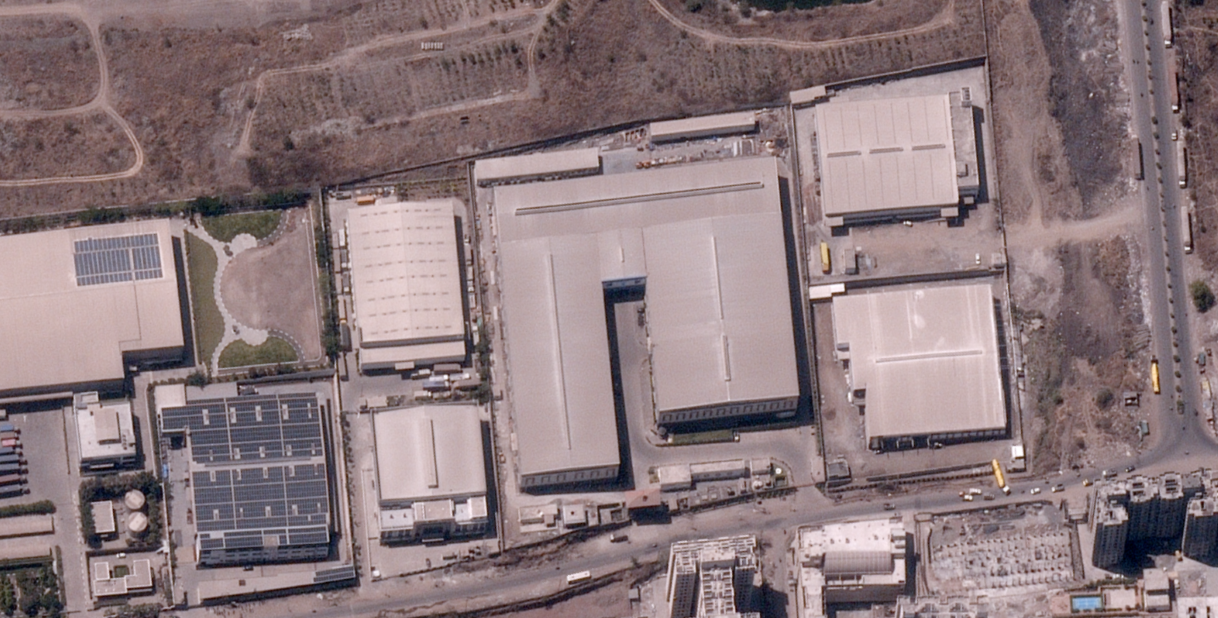
Shirdi Plant from the Satellite

Optical Intelligence

( 35 cm resolution )

The planned constellation of more than 15 satellites in inclined orbit provides continuous coverage of sovereign areas of interest. Delivering imagery with up to 35 cm resolution, the system enables precise identification of terrain, assets, and infrastructure changes. These capabilities support defence surveillance, border monitoring, urban planning, agriculture, disaster management, and advanced geospatial intelligence.

SAR Intelligence

( sub-0.5m resolution )

A constellation of 6+ Synthetic Aperture Radar (SAR) satellites provides all-weather, day-and-night imaging capabilities. Combining ultra-high resolution with wide-area coverage, the system enables persistent surveillance of borders, maritime regions, critical infrastructure, and adversary activity. With sub-0.5 metre resolution, it can detect ships, illegal fishing, dark vessels, and oil spills even during heavy cloud cover or nighttime operations.

RF / SIGINT

( 30 MHz to 18 GHz )

The RF/SIGINT constellation comprises planned clusters of three satellites, covering frequencies from 30 MHz to 18 GHz. Supporting VHF, UHF, L, S, C, X, and Ku bands, the system captures the majority of man-made radio frequency emissions. It is designed for Electronic Intelligence (ELINT), Communications Intelligence (COMINT), and Signals Intelligence (SIGINT) missions across land, naval, and airborne operational environments.